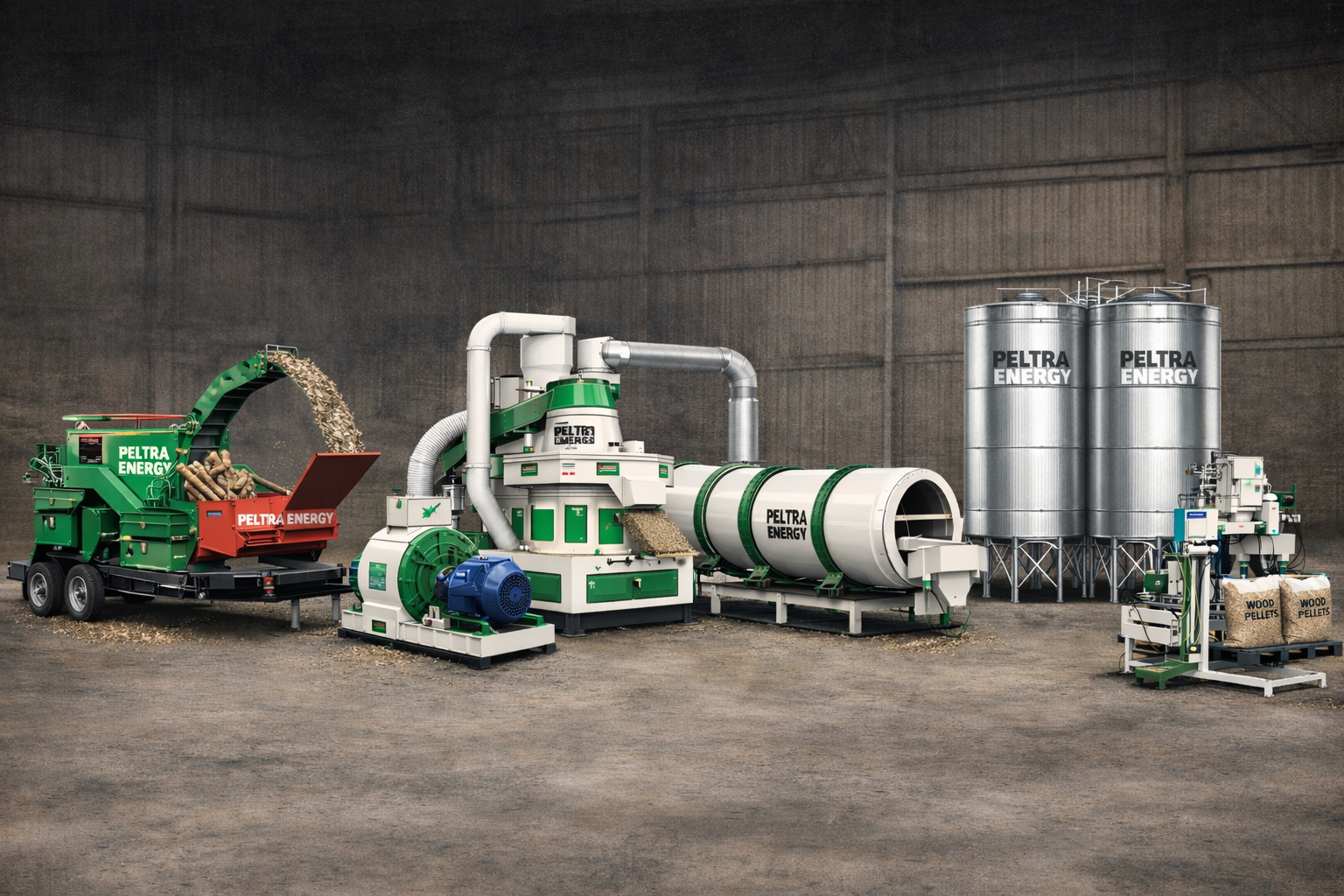
Biomass Pellet Plant Machinery Calculator India
Plan your biomass pellet or briquette manufacturing plant — get the complete machinery list, total power requirement, workforce needed, and estimated investment cost for any production capacity from 0.1 to 50 tonnes per hour. Used by entrepreneurs, agri-entrepreneurs, and energy companies setting up biomass plants across India with NABARD or state government support.
50+ raw materials · 0.1–50 TPH capacity · Investment estimate included · Supports pellets and briquettes
50+
Raw Materials
0.1–50
Tonnes/Hour
Enter Production Details
Select your production requirements and click Calculate to see detailed machinery specifications
Biomass Pellet Machinery Guide
Comprehensive guide to all equipment required for pellet production
Main Production Machines
Flat Die Pellet Mill
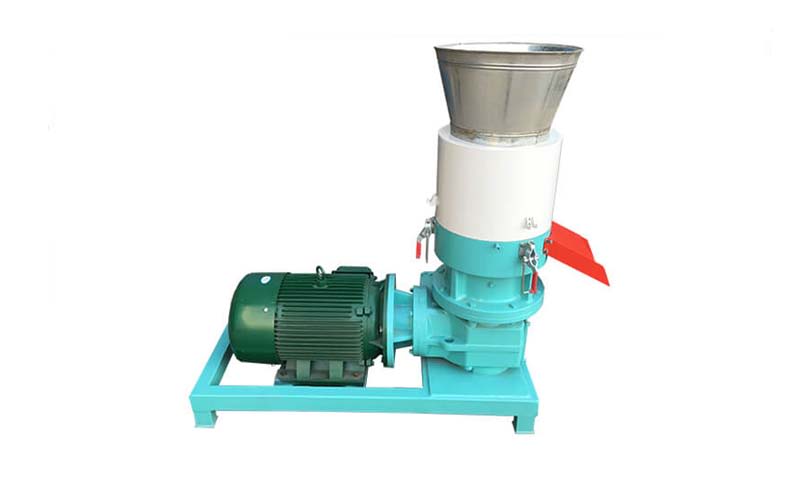
Entry-level pellet mill ideal for small-scale production and farm use. Features simple structure, easy operation, and low power consumption. Suitable for processing various agricultural residues into compact pellets.
Key Specifications
Capacity: 0.3-0.5 tonnes/hour
Power: 22-30 kW
Die diameter: 200-300mm
Available in electric and diesel variants
Applications:
Vertical Ring Die Pellet Mill
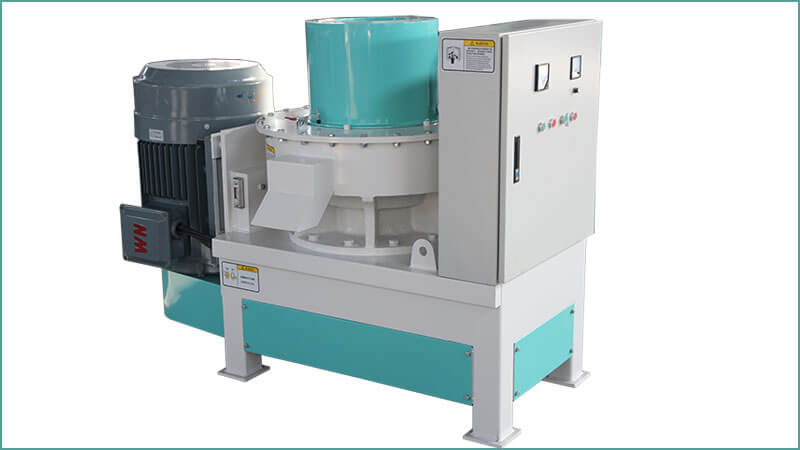
Commercial-grade vertical ring die pellet mill designed for medium-scale production. Offers higher output and better pellet quality compared to flat die mills. Features robust construction and reliable performance.
Key Specifications
Capacity: 0.8-1.5 tonnes/hour
Power: 55-90 kW
Ring die diameter: 320-420mm
Automatic lubrication system
Applications:
Horizontal Ring Die Pellet Mill
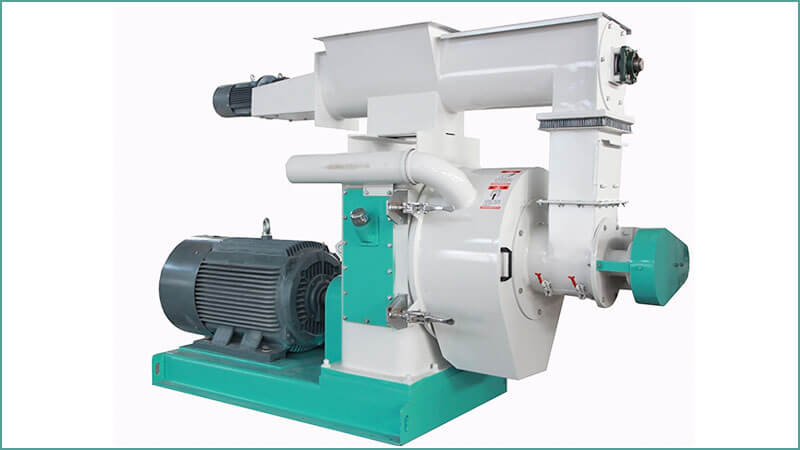
Industrial-grade horizontal ring die pellet mill for large-scale production. Features advanced technology, high efficiency, and exceptional durability. Ideal for continuous operation in industrial settings.
Key Specifications
Capacity: 1.5-12 tonnes/hour
Power: 90-450 kW
Ring die diameter: 420-858mm
Gear-driven transmission system
Applications:
Supporting Equipment
Wood Hammer Mill Crusher
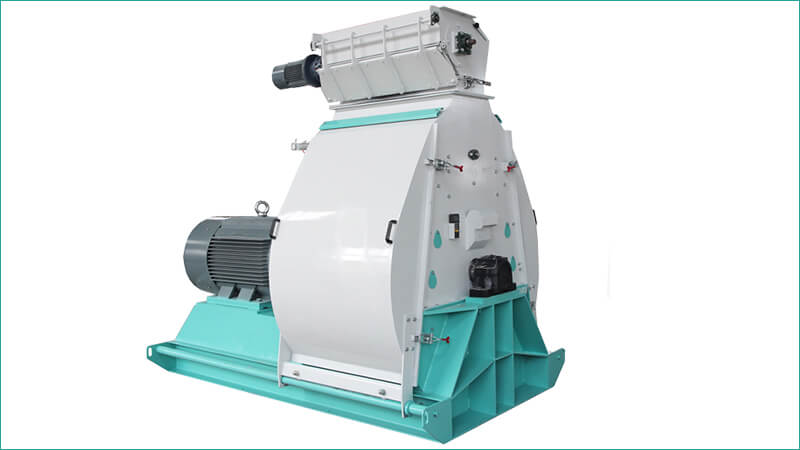
Primary size reduction equipment that crushes raw biomass materials into smaller particles. Essential for preparing materials before pelletizing or briquetting. Features replaceable hammers and adjustable screen sizes.
Key Specifications
Power: 30-55 kW
Output size: 3-10mm
Feed opening: 400-600mm
Production capacity: 1-3 tonnes/hour
Applications:
Rotary Drum Dryer
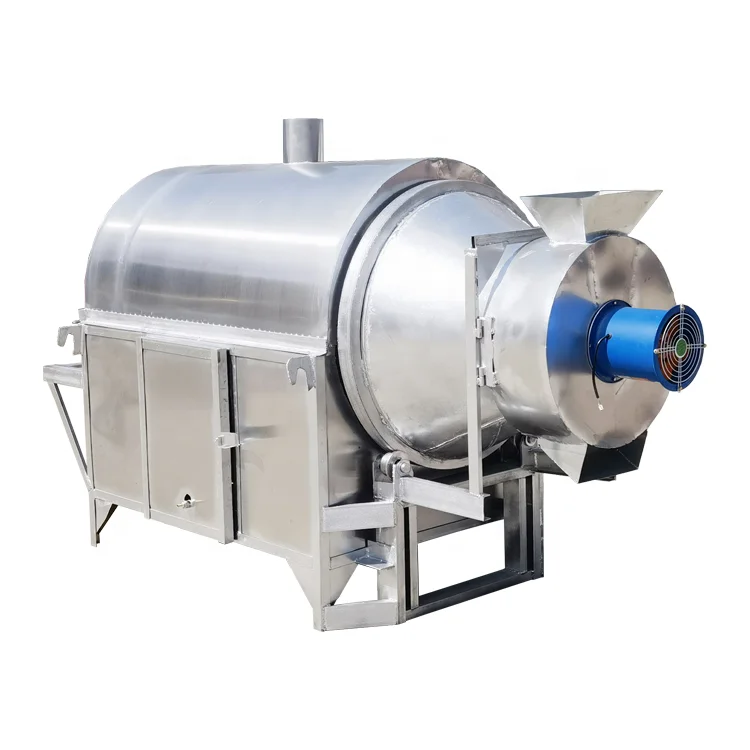
Industrial biomass dryer that reduces moisture content to optimal levels for pelletizing or briquetting. Uses hot air circulation in rotating drum for efficient drying. Can handle various biomass materials with different moisture contents.
Key Specifications
Power: 80-110 kW
Drying capacity: 2-5 tonnes/hour
Temperature control system
Energy-efficient design
Applications:
Counter-Flow Cooler
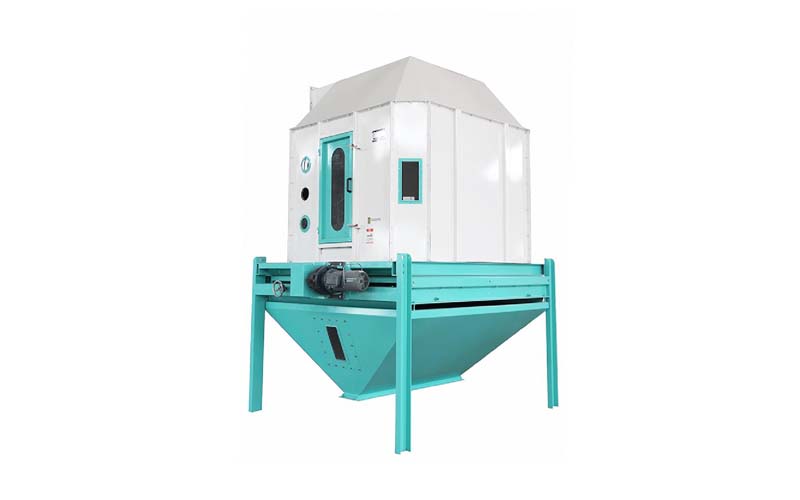
Cools hot pellets or briquettes immediately after production to prevent deformation and improve storage stability. Uses counter-flow air cooling principle for efficient heat removal and moisture adjustment.
Key Specifications
Power: 10-15 kW
Cooling capacity: 3-10 tonnes/hour
Temperature reduction: 80-90°C to ambient
Automatic discharge system
Applications:
Vibrating Screener
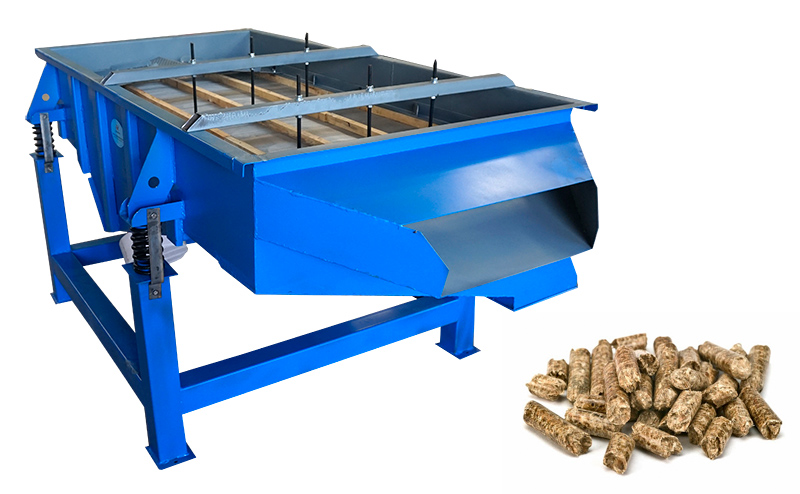
Separates finished pellets or briquettes by size, removing fines and oversized particles. Ensures consistent product quality and allows recycling of off-spec material back into production.
Key Specifications
Power: 5-7.5 kW
Screening capacity: 5-15 tonnes/hour
Multiple screen sizes available
Adjustable vibration intensity
Applications:
Belt Conveyor System
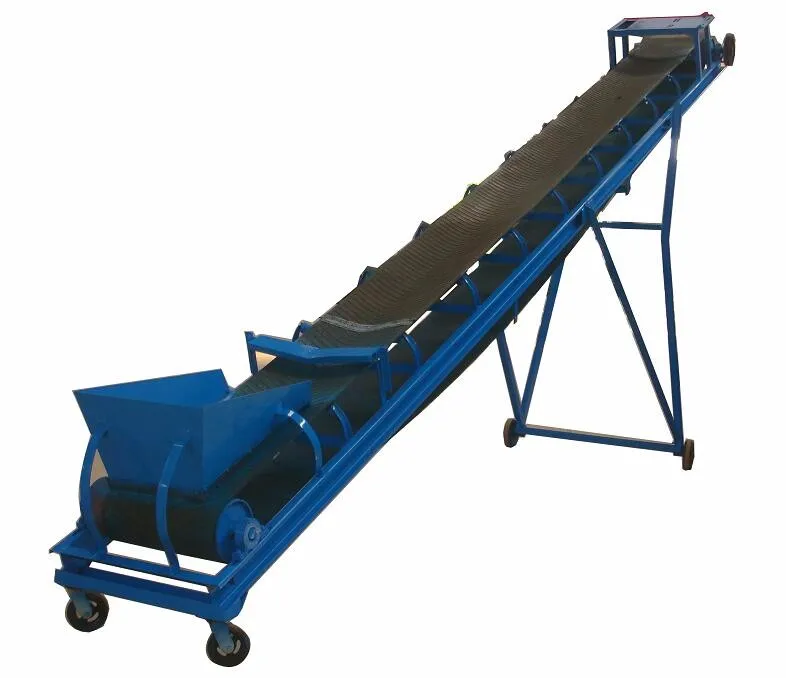
Material handling system that transports biomass materials between different processing stages. Essential for automated production lines. Features adjustable speed and can handle various material types.
Key Specifications
Power: 15-22 kW
Belt width: 500-800mm
Variable speed control
Modular design for custom lengths
Applications:
Automatic Packing Machine
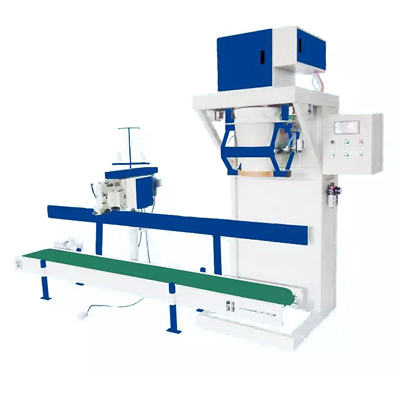
Automated packaging system that weighs, fills, and seals pellets or briquettes into bags. Features precise weighing, automatic bag placement, and sealing mechanisms. Increases packaging efficiency and maintains product quality.
Key Specifications
Power: 8-12 kW
Packing speed: 6-12 bags/minute
Weight accuracy: ±0.2%
Suitable for 20-50 kg bags
Applications:
Dust Collection System
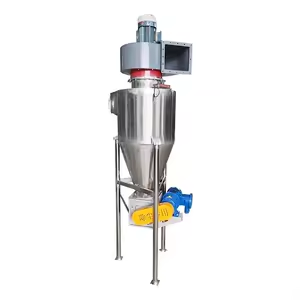
Industrial dust collection system that maintains clean working environment by capturing airborne dust particles. Essential for worker safety and environmental compliance. Features high-efficiency filtration and automatic cleaning.
Key Specifications
Power: 12-18 kW
Air volume: 5000-15000 m³/hour
Filter efficiency: >99%
Pulse jet cleaning system
Applications: